US Visa Revocations Target Corrupt Latin American Officials in Jacksonville |
How Latin American officials corruption and Marco Rubio's corruption crackdown are reshaping diplomatic ties across the hemisphere |
A sweeping diplomatic move out of Washington is sending shockwaves across Latin America — and residents in Jacksonville, a city with deep ties to international trade and a growing Latin American community, are paying close attention.
The Trump administration has revoked or restricted visas for 27 Latin American nationals, targeting officials, former officials, and their family members accused of enabling corruption and protecting narcotrafficking networks.
The individuals come from Bolivia, Colombia, Ecuador, and Peru — four nations whose right-leaning governments have aligned themselves with President Donald Trump's hemispheric security agenda.
The scope of the crackdown is hard to overstate.
Among those named is Bolivia's sitting attorney general, whose office stands accused of soliciting bribes, shielding violent criminals, and actively undermining anti-narcotics operations that the administration has made central to its foreign policy.
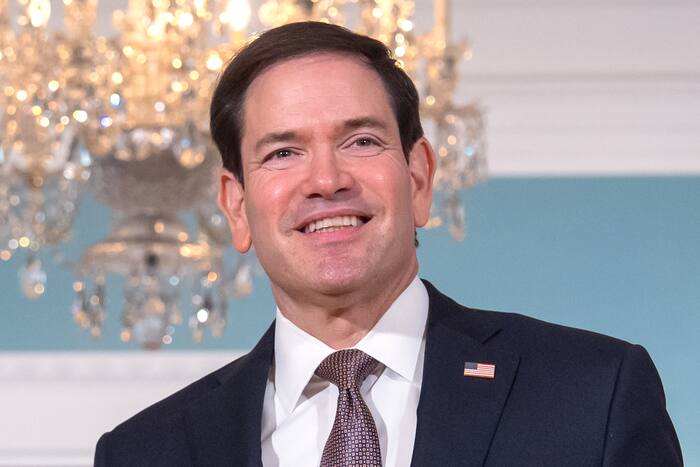
Secretary of State Marco Rubio, who recently completed a diplomatic tour of Colombia, Ecuador, and Peru, made combating drug and human trafficking the cornerstone of his outreach to those governments.
Leaders in all three nations reportedly welcomed the revocations, having privately complained that many of the targeted officials were actively blocking their own corruption investigations.
The visa restrictions fall under the umbrella of the Shield of the Americas, a U.S.-led regional bloc Trump launched this year to coordinate action against transnational criminal organizations across the Western Hemisphere.
What sets this round of revocations apart is its surgical focus on the judicial and prosecutorial class — the very institutions entrusted with fighting crime.
More than 20 Bolivian prosecutors and judges were named, alongside business figures from Colombia and judicial officials from Ecuador and Peru.
Critics argue the move blurs the line between legitimate anti-corruption enforcement and geopolitical leverage.
The State Department framed the action in stark terms, stating that undermining democratically elected governments represents a direct threat to security and the rule of law across the Americas.
Officials confirmed the revocations signal that no title or institutional rank offers immunity when corruption is alleged.
For Jacksonville, a port city with expanding hemispheric commerce and a vibrant Latin American diaspora, the policy carries real local weight.
Shifts in regional stability and diplomatic relationships directly affect trade routes, community ties, and the families of immigrants who still have relatives navigating those broken systems back home.
According to recent reports, the administration views US visa revocations targeting Latin American officials corruption as one of its most effective non-military tools for reshaping behavior abroad without firing a single shot.
Rubio's corruption crackdown appears far from finished, with analysts suggesting additional waves of restrictions could follow as the Shield of the Americas initiative matures and allied governments continue submitting names of obstructive officials.
The message from Washington is unmistakable — corruption now carries a price, and that price is access. |
25 Comments
Join the conversation
No shots fired and you still get results. More of this please.
Family members too though. That part makes me a little uncomfortable. Kids shouldn't pay for what their parents did.
Geopolitical leverage is exactly what it is. Dressing it up as anti-corruption doesn't change that.
Jacksonville doesn't get enough credit for how connected we are to Latin America. This city will feel these policy shifts.
The article says more waves could be coming. Good. Keep going.
Rubio seems to actually care about this region. More than I expected honestly.
I just hope this doesn't make things harder for regular people in those countries who are just trying to get visas for normal reasons.
Shield of the Americas sounds like something out of a movie. But if it actually works I'm not complaining.
As someone who immigrated legally from Peru I can tell you the corruption in the courts back home ruined lives. This is long overdue.
Targeting judges and prosecutors specifically is the smart move. Those are the people who let everyone else walk free.
How does this affect trade through the port here? Serious question. Anyone know?
My cousin is a prosecutor in Lima and says the corruption there is so deep it's hard to imagine this being enough. But it's a start.
I'll believe it matters when I see actual change on the ground in those countries. Feels symbolic so far.
Visa revocations are way smarter than military action. No bombs, no soldiers, just no entry. Effective.
People forget Jacksonville has one of the biggest Latin American communities in Florida. This hits close to home for a lot of us here.
27 people is a lot. Wonder how many more waves are coming.
The fact that the governments in those countries are welcoming this tells you something. Even they wanted these people gone.
Critics are right that this could easily become a political tool. Who decides which corruption is bad enough?
Rubio just did a whole tour of these countries and now this. He's been busy.
My aunt lives in Quito and says everyone is talking about this. The mood there is actually pretty positive from what she tells me.
I work at the port and this stuff trickles down to us more than people realize. Trade slows when things get unstable down there.
Bolivia's attorney general was taking bribes and blocking drug investigations. Hard to feel bad about this one.
So we're letting other countries tell us who gets visas now? Feels like overreach to me.
My family is from Colombia and honestly people there are relieved. These officials were untouchable for years.
Finally some actual consequences for these corrupt judges and prosecutors. About time.